


Blog
How to choose a custom home builder in Toronto

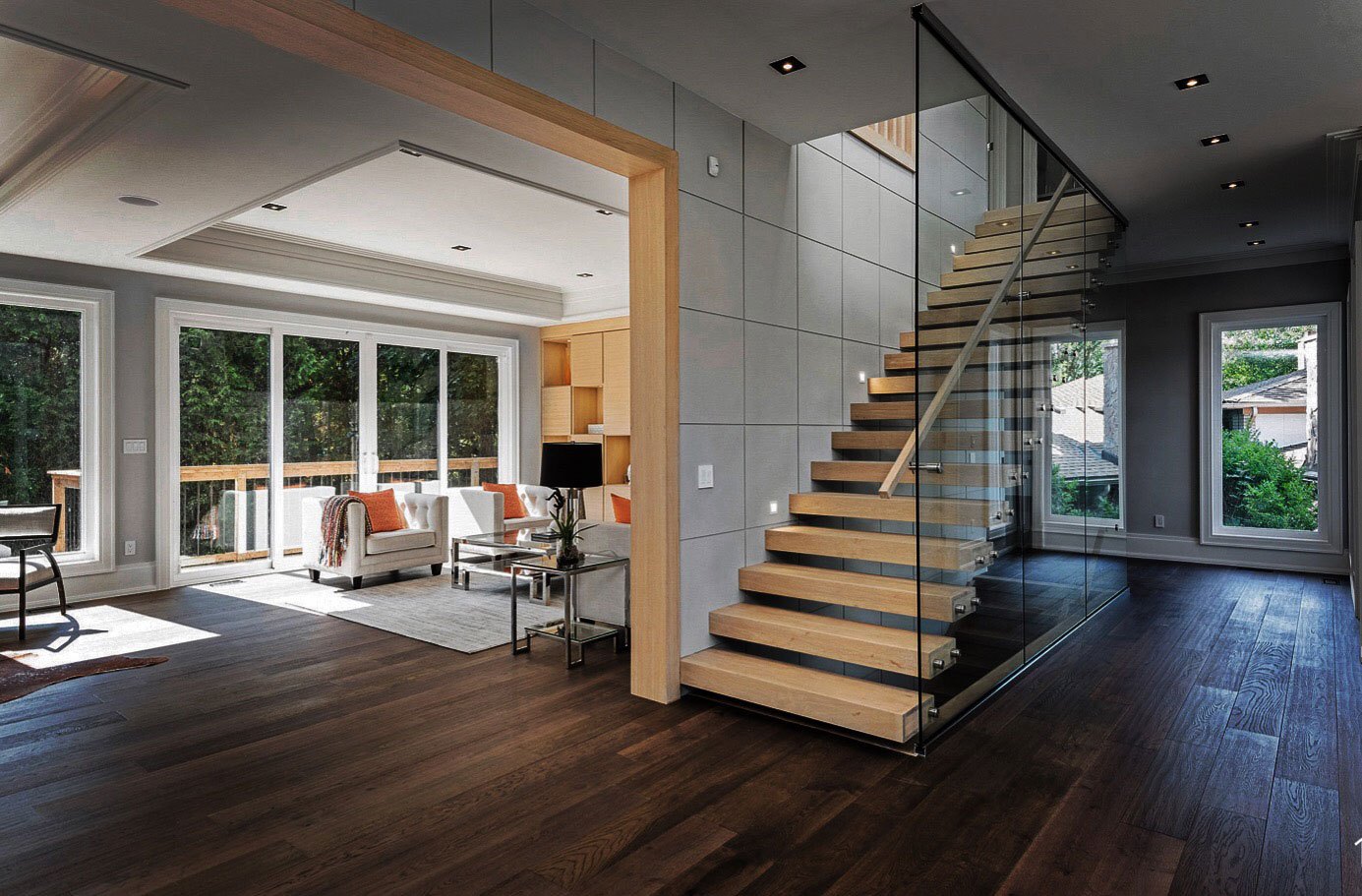
How to Choose a Custom Home Builder in Toronto: 10 Essential Tips
Building a custom home is one of the most significant investments you can make. From the initial design concept to the final construction details, every decision plays an important role in the quality, functionality, and long-term value of your home.
However, before choosing floor plans, materials, or architectural styles, there is one decision that can influence the entire experience: selecting the right custom home builder.
Toronto offers a wide range of residential construction companies, but finding a builder who understands your vision, communicates clearly, and delivers quality workmanship requires careful research.
So, how do you choose the right custom home builder in Toronto?
In this guide, KHALES explores 10 essential factors to consider before hiring a builder, helping you make a more informed decision and move forward with confidence.
1. Research the Builder’s Experience and Background
The first step is to understand the builder’s experience and professional background.
Look for companies with experience in residential construction, particularly projects similar in size, style, and complexity to the home you want to build.
A builder’s experience can provide valuable insight into their ability to manage different construction challenges, coordinate trades, and maintain consistent quality throughout a project.
When researching potential builders, consider:
- How long they have been working in residential construction
- The types of homes they specialize in
- Their experience with custom home projects
- The complexity of their previous projects
- Their knowledge of Toronto’s local construction requirements
Experience alone does not guarantee quality, but it can help you understand whether a builder has the capabilities your project requires.
2. Review Their Portfolio and Previous Projects
A builder’s portfolio is one of the best ways to evaluate their construction quality and design capabilities.
Take time to review completed projects and look beyond the overall appearance of the homes.
Pay attention to details such as:
- Exterior finishes and architectural details
- Interior craftsmanship
- Material selection and installation
- Kitchen and bathroom finishing
- Window placement and natural lighting
- Overall consistency and attention to detail
If possible, visit completed projects or ask to see references from previous clients.
A strong portfolio should demonstrate the builder’s ability to deliver different types of residential projects while maintaining a consistent standard of workmanship.
It is also important to find a builder whose approach aligns with your architectural preferences and expectations.
3. Check Licensing, Insurance, and Industry Credentials
Before signing an agreement, verify that the builder meets the applicable legal and professional requirements.
In Ontario, residential construction projects may involve several regulatory requirements, depending on the scope and type of work.
Important considerations include:
- Appropriate business and trade credentials
- General liability insurance
- Workplace Safety and Insurance Board (WSIB) coverage or applicable clearance
- Required municipal permits and approvals
- Tarion registration and warranty obligations, where applicable
In Ontario, builders and vendors of new homes generally need to be registered with Tarion unless an exemption applies.
You can use official provincial resources to verify relevant requirements and registration information before proceeding.
Taking time to confirm these details can help protect your investment and reduce potential legal and construction risks.
4. Understand Their Construction Process
Every custom home project involves multiple stages, from initial planning and design to permits, construction, inspections, and final completion.
A reliable custom home builder should be able to explain how these stages are managed and what you can expect throughout the project.
Ask potential builders about:
- Initial consultation and project assessment
- Architectural design and planning coordination
- Budget development and cost estimation
- Permit applications and municipal approvals
- Scheduling and construction management
- Quality control and site inspections
- Final walkthrough and project handover
Understanding the construction process from the beginning helps establish realistic expectations and makes it easier to identify how responsibilities are divided between the builder, homeowner, architects, and other professionals.
5. Compare Quotes and Understand the Full Cost
Price is an important consideration when choosing a custom home builder, but the lowest quote is not necessarily the best option.
Construction estimates can vary significantly depending on materials, labour, design complexity, site conditions, and the level of service included.
When comparing proposals, make sure you understand:
- What is included in the quoted price
- Which materials and finishes are specified
- Whether permits and professional fees are included
- Site preparation and excavation costs
- Allowances for fixtures and finishes
- Potential additional costs and exclusions
- Payment schedules and contractual terms
For example, two builders may provide very different estimates for what appears to be the same project. However, one proposal may include higher-quality materials, more detailed finishing, or additional project management services.
Requesting an itemized estimate makes it easier to compare proposals fairly and understand the actual value being offered.
6. Evaluate Communication and Transparency
Building a custom home requires ongoing communication between the homeowner and construction team.
From discussing design changes to reviewing construction progress, clear communication helps prevent misunderstandings and keeps the project organized.
During your initial meetings, pay attention to how the builder responds to questions and explains technical information.
Consider asking:
- Who will be your main point of contact?
- How frequently will project updates be provided?
- How are design changes communicated?
- How are unexpected construction issues handled?
- How are delays and budget changes documented?
A builder who communicates openly and provides clear answers can make the overall building experience more manageable.
Transparency should continue throughout the project, not just during the sales and consultation process.
7. Ask About Project Management and Subcontractors
Custom home construction involves many different specialists, including electricians, plumbers, carpenters, roofers, and other skilled trades.
The way these professionals are coordinated can have a major impact on construction quality, scheduling, and project efficiency.
Ask the builder how they manage subcontractors and oversee work on site.
Important questions include:
- Are subcontractors regularly used?
- How are trades selected and evaluated?
- Who supervises daily construction activities?
- How is workmanship inspected?
- What happens if a trade or supplier causes delays?
A well-organized project management process helps ensure that different construction stages are completed in the correct sequence and according to the project specifications.
8. Understand the Contract, Timeline, and Warranty
Before construction begins, make sure all important project details are clearly documented in a written agreement.
A comprehensive construction contract should outline the scope of work, specifications, pricing, payment schedule, responsibilities, and procedures for handling changes.
You should also understand the expected construction timeline and what factors could affect completion.
Depending on the project, these factors may include:
- Design revisions
- Permit approval timelines
- Weather conditions
- Material availability
- Labour scheduling
- Unexpected site conditions
For new homes in Ontario, Tarion provides a statutory warranty framework that generally includes coverage for certain defects in workmanship and materials, major structural defects, and other specified issues, subject to the applicable terms and conditions.
Make sure you understand which warranty obligations apply to your specific project and who is responsible for addressing issues after completion.
9. Check Client Reviews and Ask for References
Online reviews can provide useful insight into a builder’s reputation and client experience.
However, reviews should be considered alongside other evidence, such as completed projects, references, credentials, and direct conversations.
If possible, ask the builder to connect you with previous clients.
Some useful questions to ask include:
- Was the project completed according to the agreed specifications?
- How well did the builder manage the budget?
- Was communication consistent throughout construction?
- How were unexpected problems handled?
- Were there any issues after project completion?
- Would you work with the builder again?
Speaking with previous clients can help you understand what working with the builder is actually like, beyond what is presented in a portfolio or marketing materials.
10. Choose a Builder Who Understands Your Vision
Perhaps the most important factor is finding a builder who understands what you want to achieve.
A custom home should reflect your lifestyle, personal preferences, functional needs, and long-term plans.
Whether you envision a modern minimalist home, a spacious family residence, or a contemporary architectural design, your builder should be able to understand your priorities and work toward translating them into a practical construction plan.
Look for a team that listens carefully, considers your ideas, provides realistic recommendations, and understands the importance of balancing design, quality, and budget.
The right working relationship can make the entire process more collaborative and productive.
Questions to Ask Before Hiring a Custom Home Builder in Toronto
Before making your final decision, consider asking these important questions during your consultation:
1. Have you completed projects similar to mine?
This helps establish whether the builder has relevant experience for your specific project.
2. What is included in your construction estimate?
Understanding inclusions and exclusions helps avoid unexpected financial surprises.
3. Who will manage and supervise my project?
You should know exactly who is responsible for coordinating the construction process.
4. How do you handle changes during construction?
A clear change-order process helps manage design adjustments, additional costs, and scheduling changes.
5. What insurance and warranty coverage applies to my project?
This helps clarify the protections available before, during, and after construction.
6. Can I speak with previous clients?
References provide an opportunity to learn about the builder’s actual performance and communication style.
Why Choose KHALES for Your Custom Home Project?
Choosing a custom home builder is about more than comparing prices or looking at architectural photographs. It is about finding a team that understands the importance of planning, craftsmanship, communication, and attention to detail.
At KHALES, we believe that every successful home begins with a clear vision and a thoughtful approach to the building process.
From understanding the property and exploring design possibilities to considering functionality and construction requirements, every stage contributes to creating a home that reflects the homeowner’s expectations.
Our philosophy focuses on bringing design ideas and practical construction considerations together to create spaces that are functional, comfortable, and built around individual lifestyles.
If you are planning a custom home in Toronto, taking the time to choose the right construction team is an important first step toward a successful project.
Final Thoughts: Making the Right Choice
Choosing the right custom home builder in Toronto requires more than finding an attractive portfolio or the lowest construction estimate.
Experience, transparency, communication, project management, construction quality, and a clear understanding of your vision all play important roles in making the right decision.
By researching potential builders, reviewing their previous work, checking credentials, and understanding their construction process, you can approach your project with greater confidence.
A custom home is a long-term investment, and the team you choose will have a significant influence on the experience and final result.
Ready to start planning your custom home in Toronto? Contact KHALES to discuss your ideas, explore your options, and take the first step toward building a home that reflects your vision.