Cricket Club Residence is a contemporary residential project where architecture, construction precision, and refined interior detailing converge into a cohesive built experience. Delivered from a builder’s perspective, this project reflects a strong collaboration between architectural intent and construction execution, with a clear focus on longevity, performance, and spatial clarity.
Architectural Concept & Planning
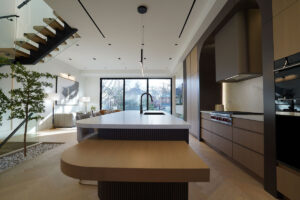
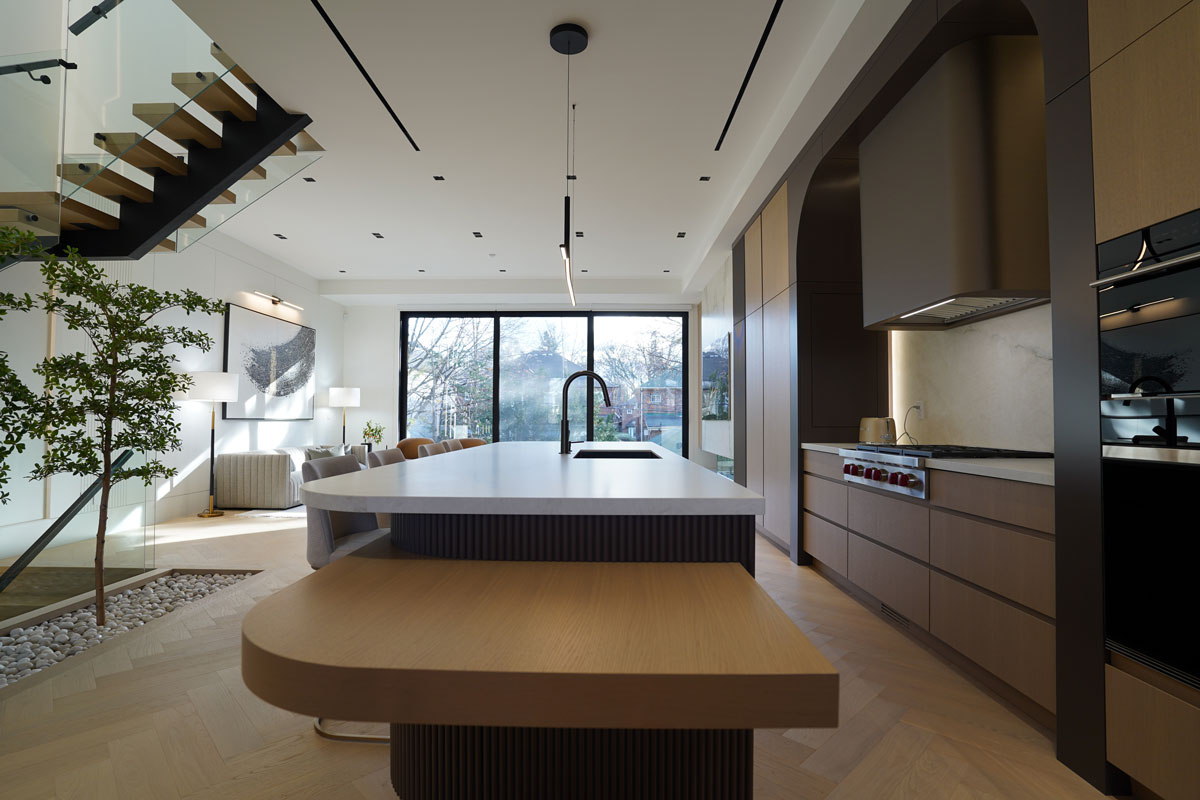
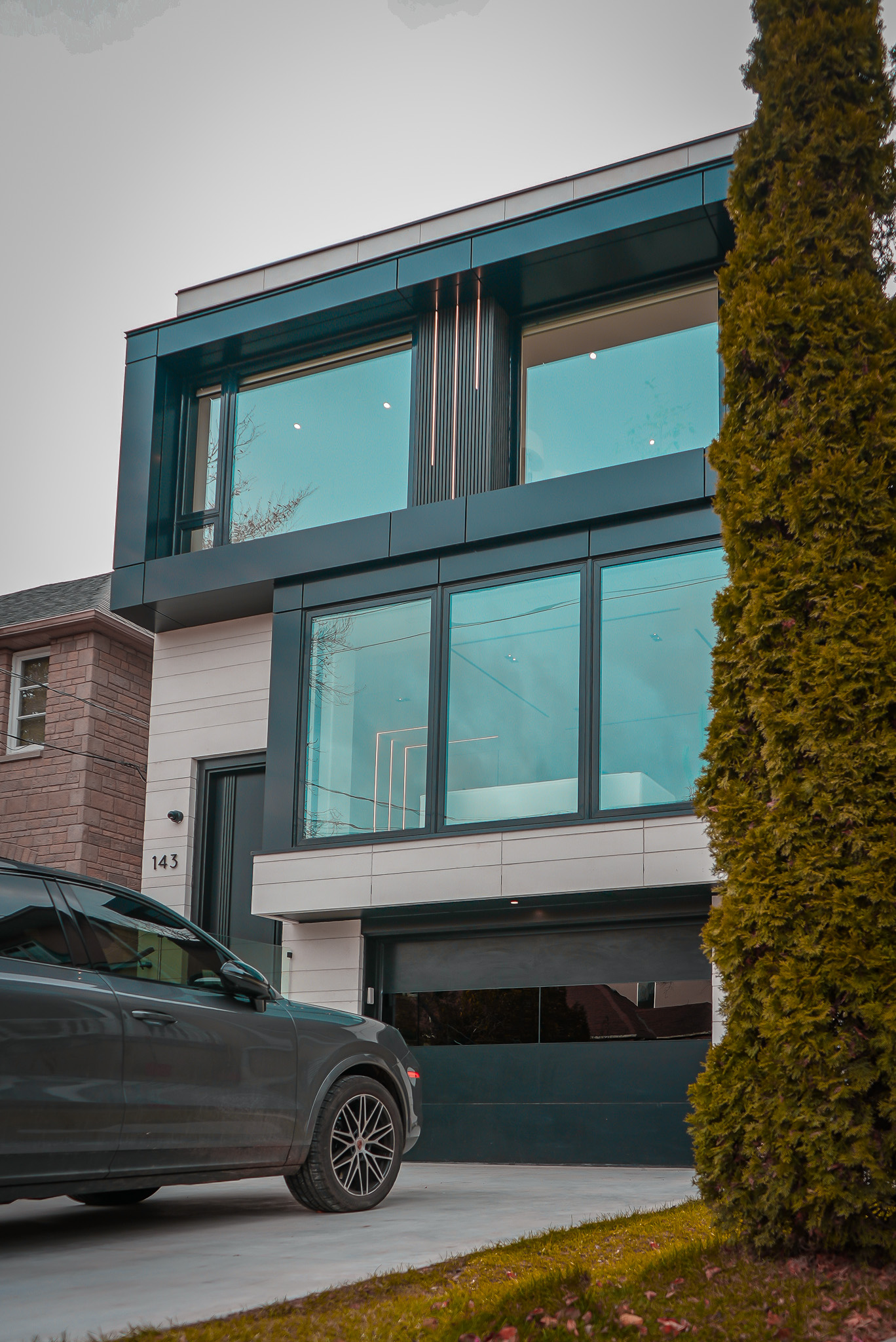
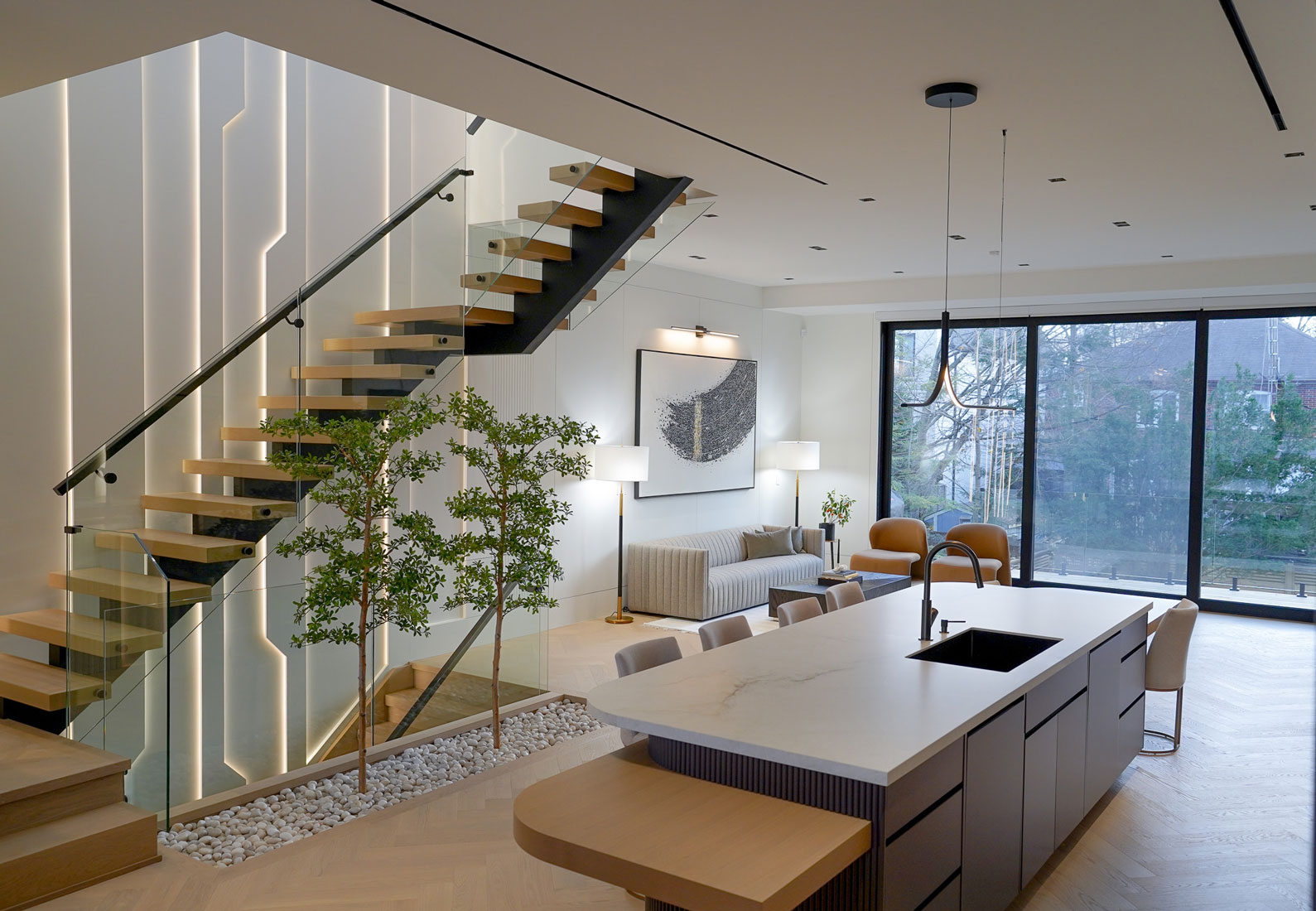
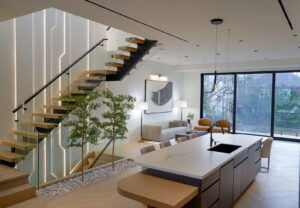
The residence is organized around an open-plan layout that maximizes natural light, visual continuity, and functional zoning. Large-format glazing defines the primary living spaces, blurring the boundary between interior and exterior while reinforcing the home’s modern character. From a construction standpoint, this required careful coordination of structural openings, steel supports, and high-performance window systems to achieve clean spans without compromising thermal efficiency or structural integrity.
The architectural language is deliberately restrained—clean lines, balanced proportions, and a controlled palette—allowing material quality and craftsmanship to take center stage. Every junction, reveal, and transition was resolved with buildability in mind, ensuring architectural clarity translated accurately on site.
Structural & Construction Execution
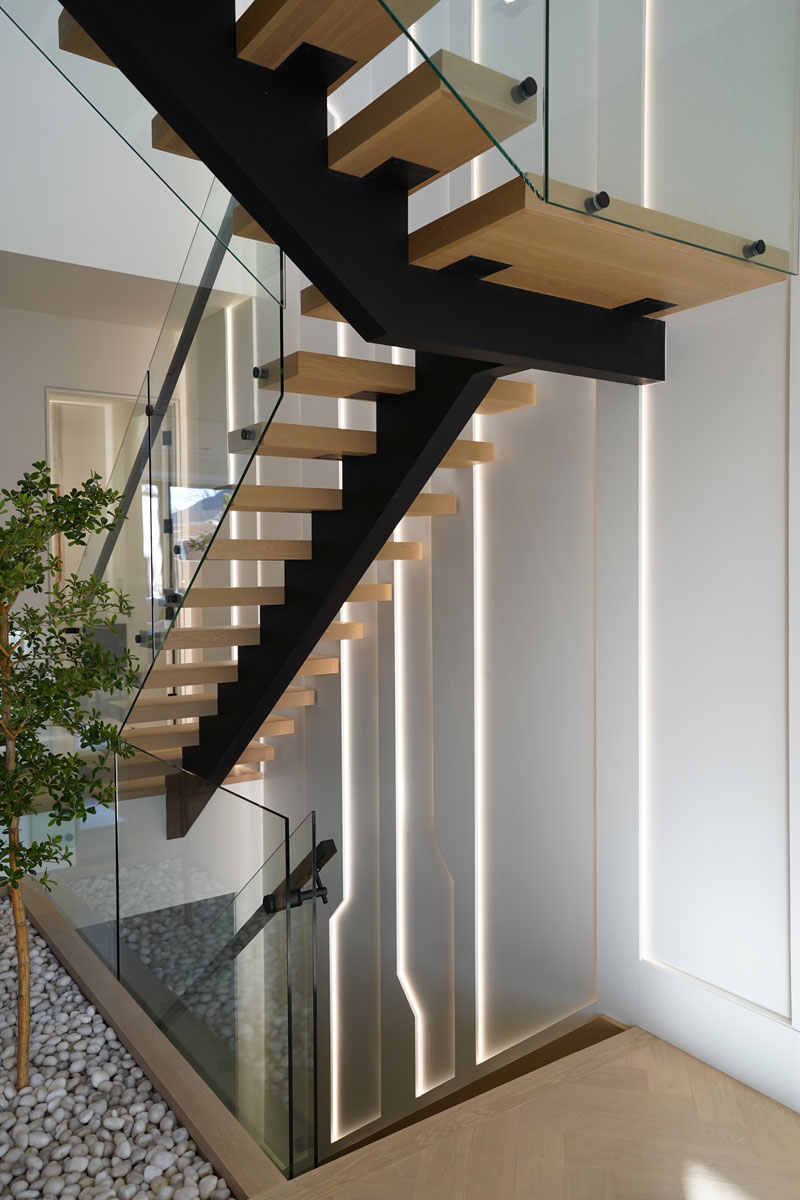
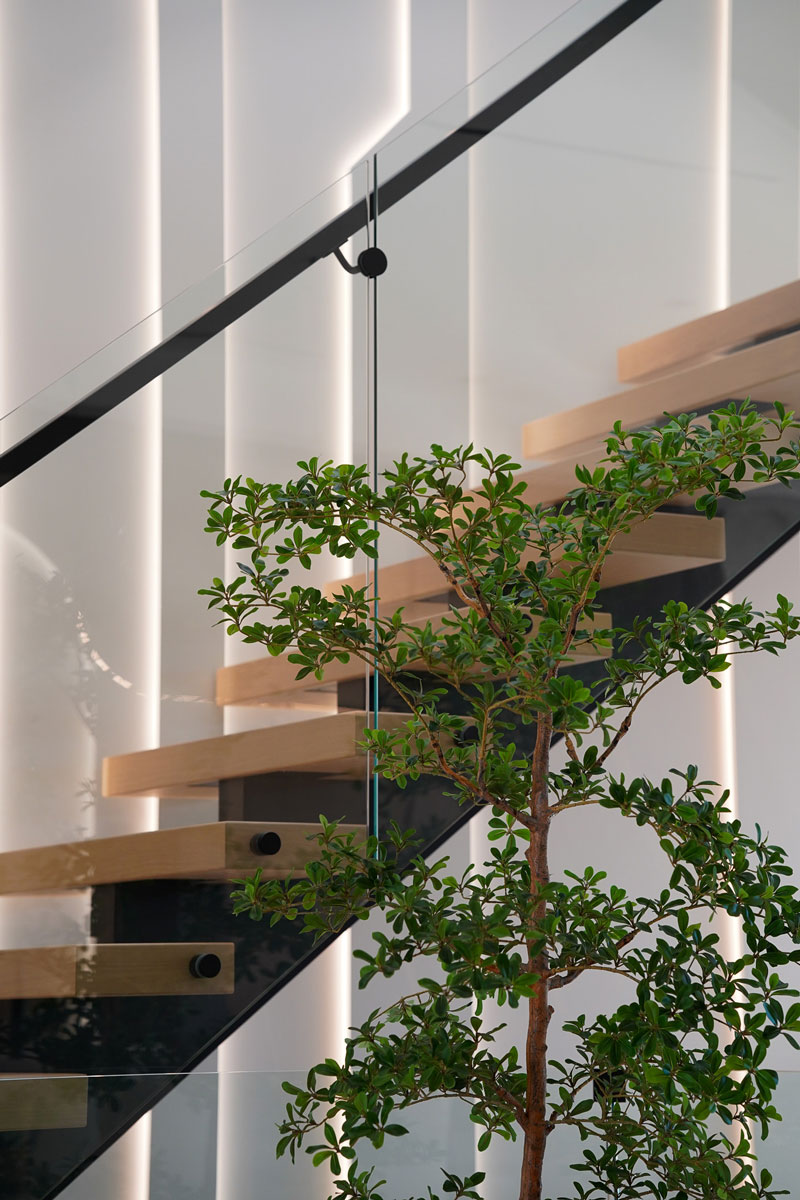
The project demanded a high level of precision across framing, concrete work, and envelope construction. Floor-to-ceiling windows, flush detailing, and integrated lighting systems required tight tolerances and close sequencing between trades. Structural elements were coordinated early to allow for floating stair assemblies, concealed connections, and uninterrupted ceiling planes.
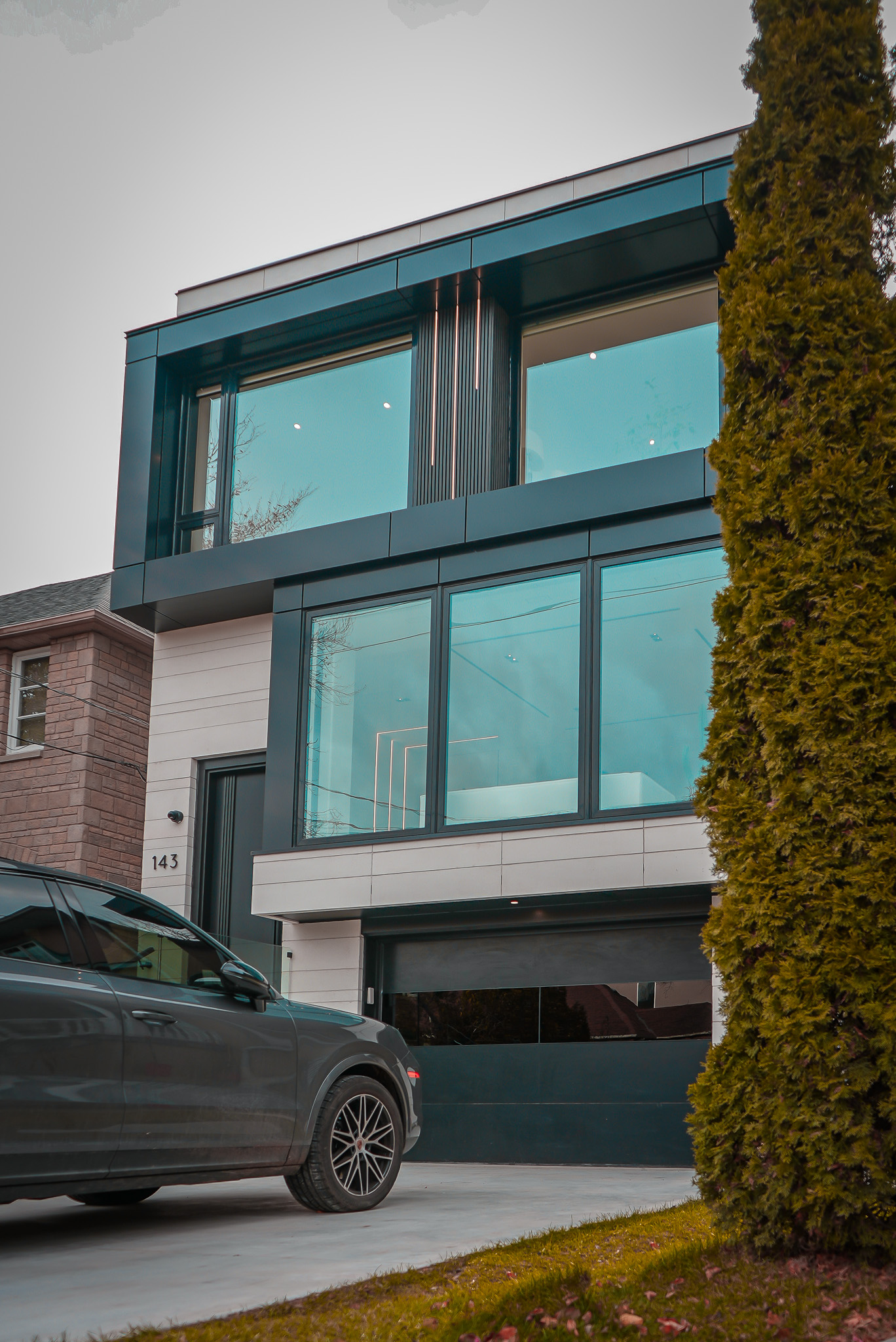
Special attention was given to the building envelope: insulation continuity, air barriers, and moisture control were integrated seamlessly to meet modern performance standards while maintaining a minimal aesthetic. Exterior cladding transitions—between dark metal panels and light finishes—were executed with crisp detailing to reinforce the home’s contemporary presence within the neighborhood context.
Interior Construction & Millwork
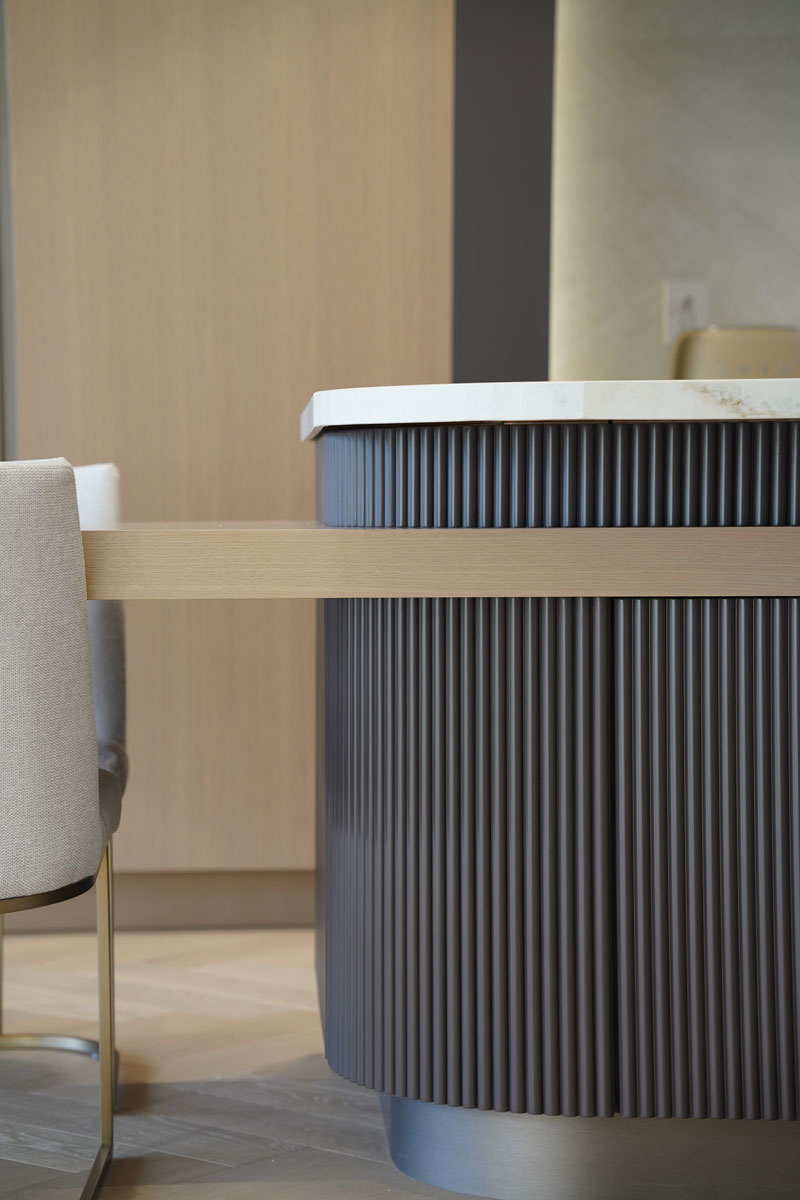
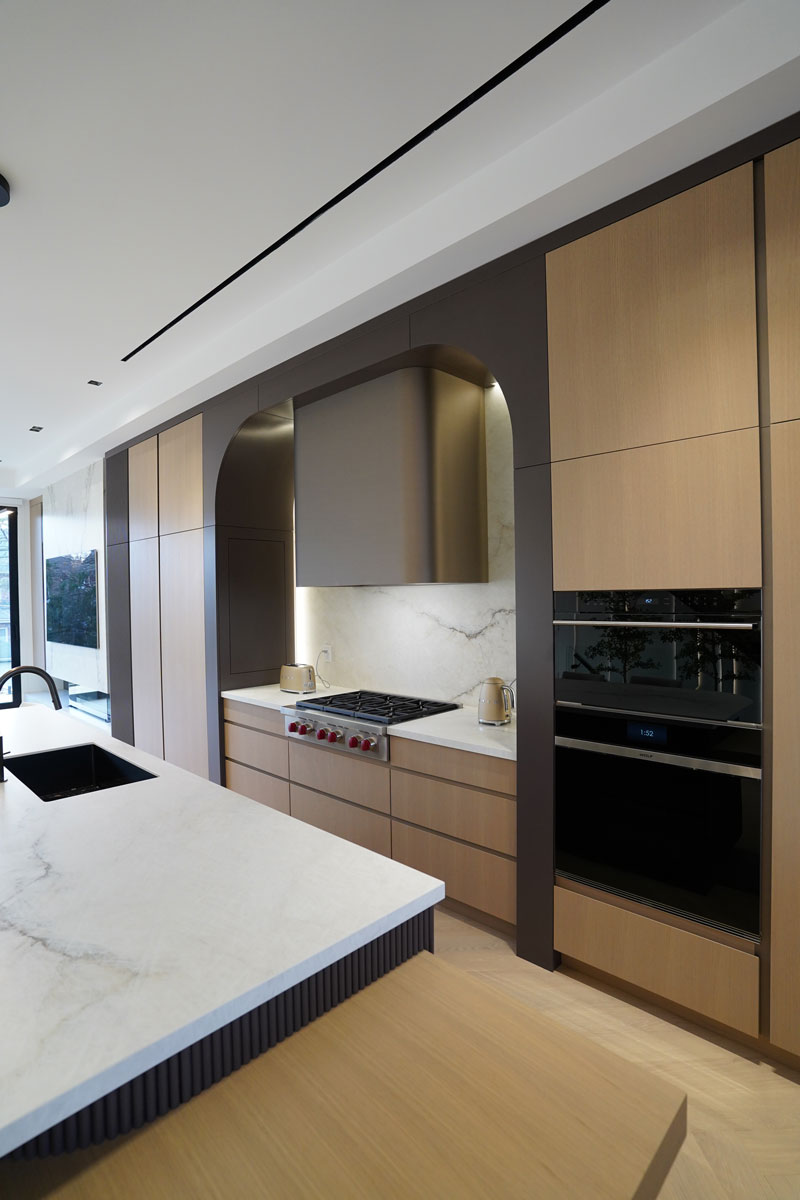
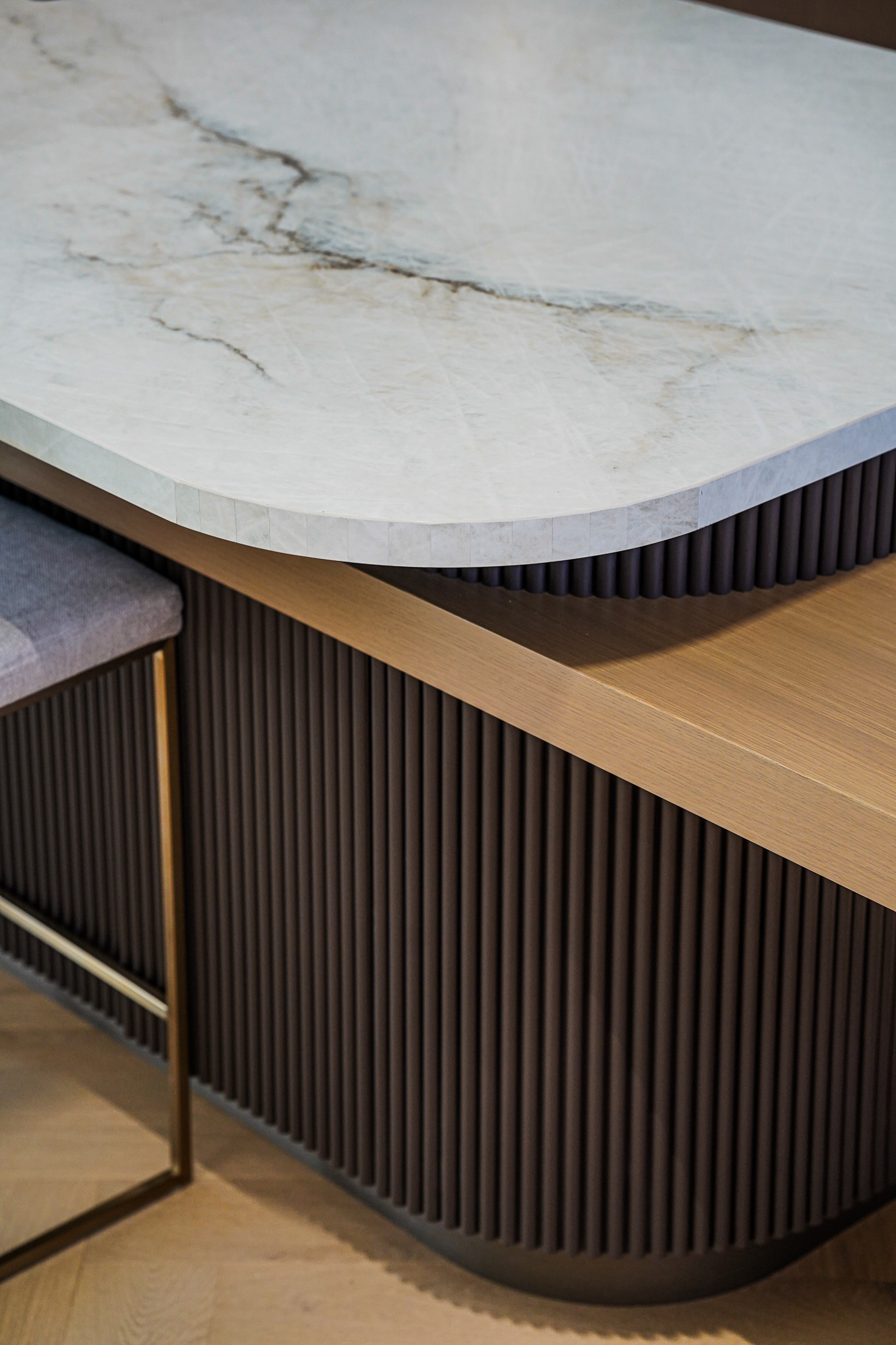
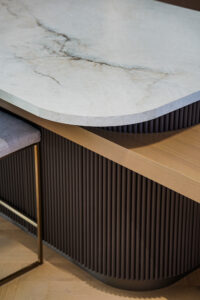
Interior spaces are defined by custom-built elements rather than applied decoration. The kitchen and dining areas feature bespoke millwork with integrated appliances, concealed storage, and refined edge details. From a builder’s perspective, this required millimeter-level accuracy in substrate preparation, cabinet installation, and coordination with mechanical and electrical systems.
Materials such as natural wood veneers, stone surfaces, and brushed metal fixtures were selected not only for visual impact but also for durability and long-term performance. The construction team worked closely with fabricators to ensure consistency between shop drawings and on-site installation, particularly where curved edges, recessed plinths, and custom hardware were involved.
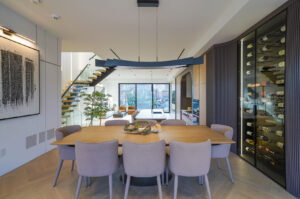
A full-height glass wine display acts as both a functional storage solution and an architectural feature. Its integration required structural reinforcement, concealed lighting channels, and precise alignment to maintain symmetry and visual lightness.
Vertical Circulation & Detailing
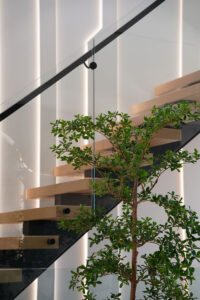
The staircase serves as a sculptural element within the home. Floating treads, glass guards, and integrated lighting demanded advanced coordination between structural steel, finish carpentry, and glazing systems. From a construction standpoint, achieving this visual lightness required hidden connections and meticulous sequencing to preserve clean sightlines.
Builder’s Perspective
As builders, this project highlights the importance of early collaboration between design and construction. Many of the architectural ambitions—minimal profiles, flush surfaces, and seamless transitions—could only be realized through detailed planning, mock-ups, and constant on-site quality control. The result is a residence that feels effortless in appearance but is deeply considered in execution.

Project Summary
The Cricket Club Residence stands as an example of modern residential construction where architectural vision is supported by technical rigor and craftsmanship. It reflects a holistic approach to building—one where structure, material, and detail work together to create spaces that are not only visually compelling but also well-built, efficient, and enduring.
This project reinforces our role not just as builders, but as active contributors to the architectural outcome—translating design intent into a built reality with precision and care.